Short answer: very few Tanzanian safari lodges call themselves halal, and most of the "Muslim-friendly" tags you see online come from booking sites, not from the lodge. A handful of properties do have a published halal statement, and we list them below with the source for each. For everywhere else, the reliable method is to ask each lodge the same set of questions in writing before you pay.
What "Muslim-friendly" should mean on safari
On a Tanzania safari you sleep somewhere different every one or two nights, and almost every meal comes from that lodge's kitchen. So a Muslim-friendly trip is only as good as the weakest lodge on the route. In practice, four things matter:
- Food: halal meat, no pork, no alcohol in the cooking. Ideally the kitchen can tell you where the meat comes from.
- Alcohol: an alcohol-free room or minibar, and a meal plan priced without drinks.
- Prayer: a clean, quiet space, the qibla direction, and meal times that work around salah and, in Ramadan, suhoor and iftar.
- Privacy: modest swimwear allowed at the pool, or a private pool or plunge pool; private dining for families who prefer it.
Certified halal versus halal-style
This is the distinction most listings blur. In Tanzania, halal certification runs through BAKWATA, the national Muslim council, and its accredited agent, which supervises slaughter at abattoirs. A lodge that buys certified meat and keeps it apart from anything non-halal is offering certified halal food.
Many lodges instead offer what is better called halal-style food: no pork, no alcohol in the dish, but meat from a general supplier. One Tanzanian operator's page for a Serengeti camp puts it honestly: special diets "even halal" can be handled, "though the chefs are not officially halal-trained." Neither answer is wrong, but you should know which one you are getting. If a remote camp cannot confirm its meat, fish and vegetarian dishes are the simple, safe option for those nights.
How to read halal tags on booking sites
Halal travel platforms such as HalalBooking are useful, but read the exact wording. Their Tanzania listings separate "all halal food" from "some halal food", and the gap matters on safari: "some" usually means a few menu options, not a halal kitchen. The alcohol line is worth reading closely too. On several listings, alcohol is removed from the room only if you book through that platform, so the same lodge booked another way may still stock the minibar.
Some listings also show "halal-friendliness data pending", which simply means nobody has confirmed anything yet. And general booking sites sometimes tag a lodge as "halal meals provided" without saying who confirmed it. Treat any tag as a reason to ask, not as an answer.
Safari properties with a published halal statement
We only list properties where the lodge itself, a halal travel platform, or a reputable safari publisher states that halal food is served. These are third-party statements unless noted, and kitchens change, so confirm in writing before you book.
| Property | Area | What the source says |
|---|---|---|
| Kananga Special Tented Camp | Seronera, central Serengeti | HalalBooking states that all food at the camp is halal, and alcohol is removed from the room for bookings made through its platform. |
| Serengeti Migration Camp (Elewana) | Serengeti | Discover Africa's Muslim-friendly safari guide says the camp is "fully equipped to cater to halal dining needs" and offers privacy for prayer. Elewana's own pages we checked do not mention halal. |
| Meliá Serengeti Lodge | Nyamuma Hills, central Serengeti | HalalBooking lists "some halal food", meaning some menu options rather than the whole kitchen. Its pool allows modest swimwear. |
| Zanzi Resort | Kama, Zanzibar | HalalBooking states that all food is halal. Villas have private pools, and modest swimwear is allowed on the beach. |
A Tanzania halal food guide also says the Serena lodges at Ngorongoro and the Serengeti prepare halal meals on request. Serena's own Ngorongoro dining page does not mention halal, so treat this as "ask and confirm" rather than a policy.
None of these listings says anything about a prayer room. If that matters to you, ask directly.
The checklist: what to ask every lodge
Send these questions by email so you have the answers in writing. If you book with us, we can send them to each property on your route and pass the replies on to you.
Food
- Can all our meals be halal, including the packed lunch and picnic on game drives?
- Where does the meat come from? Is it BAKWATA-certified or from another halal supplier?
- Is halal meat stored and cooked apart from non-halal food, with separate utensils?
- Is pork served anywhere on the property, including the breakfast buffet?
- Is wine or other alcohol used in any sauces or desserts?
Alcohol and rooms
- Can the minibar be emptied before we arrive?
- Are drinks included in the rate, and can we have a rate without alcohol?
Prayer
- Is there a quiet space for prayer, and can you show us the qibla direction?
- Can breakfast be served early enough for us to pray Fajr and still join the morning drive?
- In Ramadan: can you serve suhoor before Fajr and iftar at Maghrib?
Privacy
- Is modest swimwear allowed at the pool? Are there private pools or plunge pools?
- Can we have meals served privately rather than at a shared table?
Camps or lodges: which suits Muslim travellers?
Both can work, and the answer depends more on the kitchen than the size. A small tented camp may find a halal request easy to follow for a few guests, but in remote areas it can be harder for it to confirm where the meat comes from. A large lodge with a buffet may have a wider supply chain, but you need to ask about pork and shared serving spoons. Ask the same questions either way.
For families, look for private dining, family tents or rooms that connect, and a private or plunge pool if swimming matters to you. If you prefer not to sit near tables where wine is served, ask for a private table when you book.
After the safari: Zanzibar
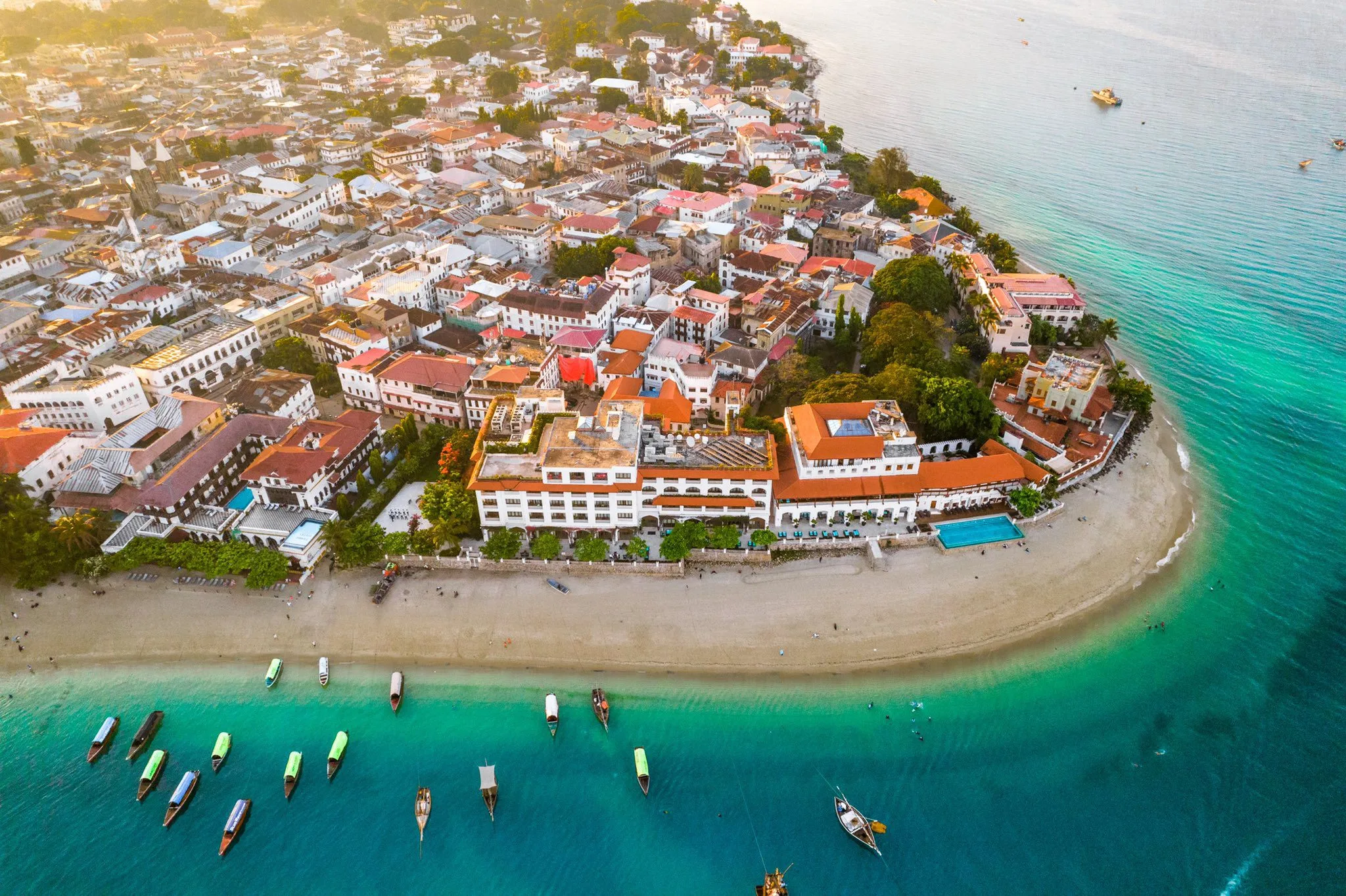
If you are finishing on the beach, the picture changes. Zanzibar is about 99% Muslim and local restaurants serve halal food by default, so the questions shift to the resort itself: alcohol, buffets and modest swimwear. Our guide to halal food in Zanzibar covers what to ask a beach hotel.
How we put a halal route together
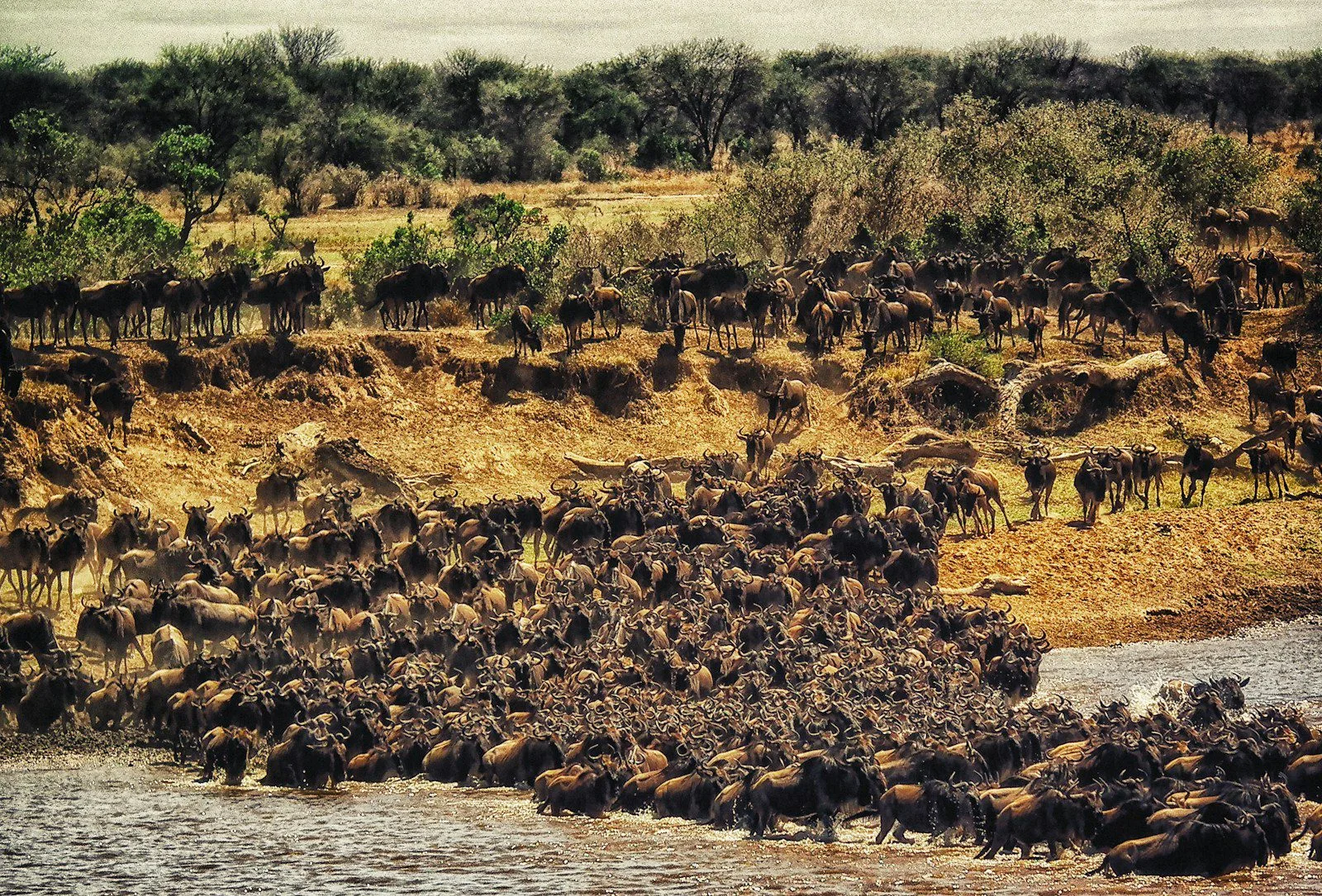
Our halal itineraries are built around lodges chosen for their dining and service, with the halal request confirmed before travel. The 7-Day Tanzania Halal Safari uses halal-friendly lodges and tented camps in Tarangire, the Serengeti and on the Ngorongoro rim. The 7-Day Halal Migration Safari includes a halal meal plan and tented camps in the northern Serengeti for the river crossings. For a higher-end trip with named lodges, the 10-day luxury wilderness safari can be adapted once each property confirms its kitchen arrangements.
For the bigger picture on meals, dress and prayer, read our halal safari guide to Tanzania and the practical guide to praying on safari. You can also compare all our halal safaris or ask for a tailor-made route with lodges vetted for your family.