


Short answer: yes, food in Zanzibar is halal by default. The islands are almost entirely Muslim, local restaurants and street stalls serve halal meat as a matter of course, and pork is not part of Zanzibari cooking. The places where you need to ask questions are the big international resorts, which serve alcohol and some imported food, and the month of Ramadan, when the rules on eating in public change.
Is Zanzibar halal?
Zanzibar is a semi-autonomous part of Tanzania, and about 99% of its people are Muslim, according to US State Department figures. Food culture follows from that. A halal food guide to Tanzania puts it plainly: every local restaurant on the island serves halal food by default, and pork does not appear in Zanzibari cuisine.
That covers the places most visitors eat: Stone Town cafés, Forodhani's evening stalls, village seafood grills and Swahili family restaurants. You do not need to ask "is this halal?" at a mishkaki stall in Stone Town in the way you might in Europe.
Who certifies it? In Tanzania, BAKWATA, the national Muslim council, oversees halal certification, working through an accredited agent that supervises slaughter at abattoirs. Day to day, though, most small restaurants rely on community practice rather than a certificate on the wall. If you only eat from certified kitchens, ask to see the certificate; few small places will have one.
What's normal on a Zanzibar menu
Zanzibari food comes out of centuries of trade with Arabia and India, so many dishes will feel familiar to Gulf and South Asian travellers.
- Pilau and biryani: spiced rice cooked with beef, chicken or fish.
- Mishkaki: grilled beef or chicken skewers, sold at street stalls and in local restaurants.
- Octopus curry and grilled fish: seafood is the backbone of coastal cooking.
- Urojo: a thick, tangy mango-and-tamarind soup, a Stone Town street favourite.
- Chapati, samosas and ndizi nyama (plantain with meat): everyday food across Tanzania.
Eating in Stone Town
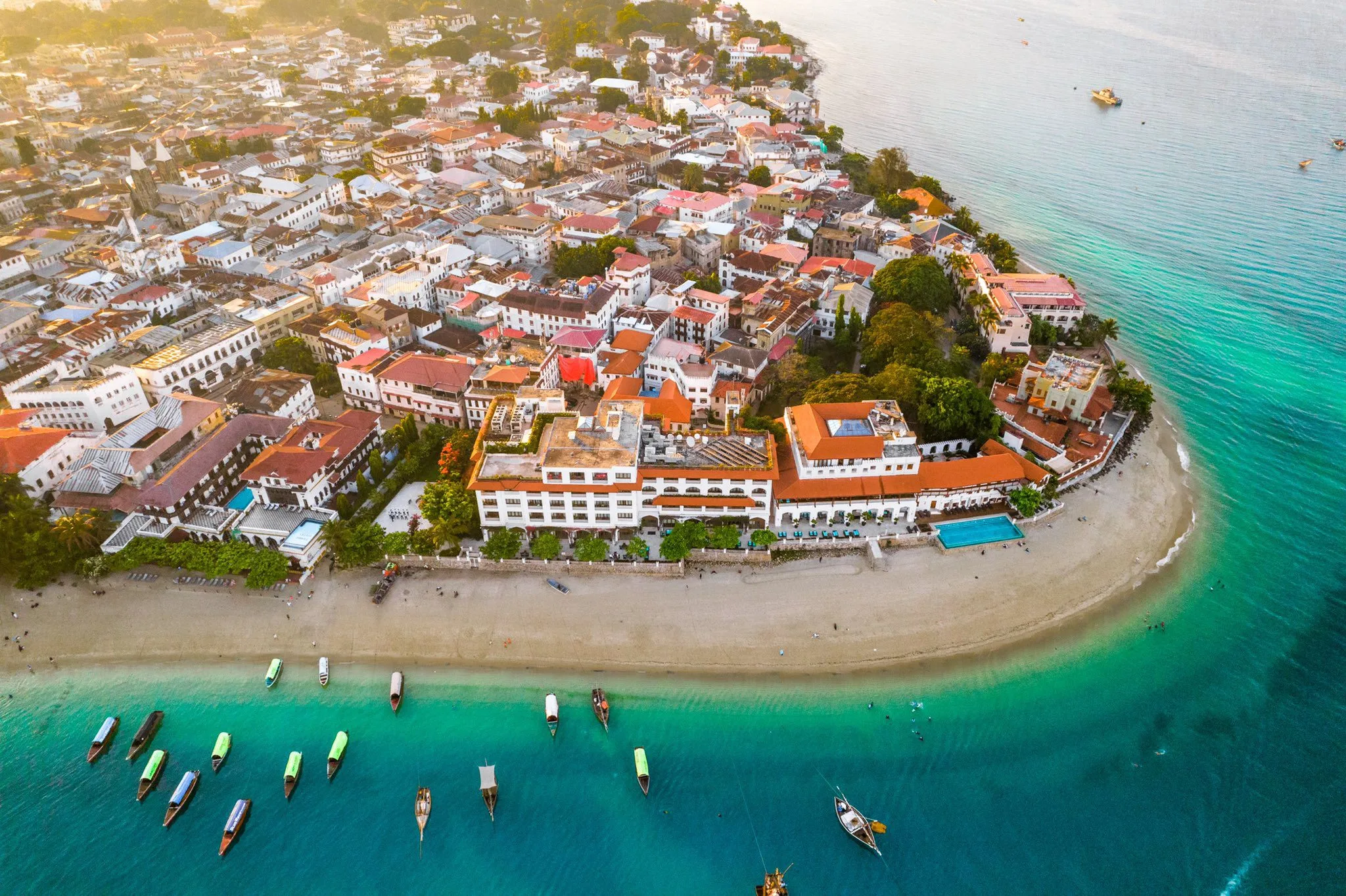
Stone Town is where most visitors eat their first proper Zanzibari meal, and it is the easiest part of the island for halal food.
Forodhani Gardens
Every evening, the waterfront park at Forodhani Gardens turns into an open-air food market. Vendors start setting up in the afternoon and trade goes on late. The best-known order is Zanzibar pizza: thin dough folded around beef or chicken, onion, egg and chili, then pan-fried until crisp. You will also find mishkaki, urojo, samosas, shawarma, falafel and fresh sugarcane juice pressed with ginger and lime.
The seafood tables are the most photographed part, with octopus, lobster and whole fish laid out for grilling. Agree the price before they cook it. Some travel writers question how fresh the seafood is, so pick a busy stall and ask for it grilled through.
Restaurants
Halal guides list places such as Lukmaan, a Swahili restaurant known for its octopus curry, and Ma Shaa Allah Café, which serves African and Indian dishes from a buffet. Neither publishes a halal certificate that we could find, but both sit in the normal local pattern of halal meat and no pork. Rooftop restaurants aimed at tourists are more mixed: some serve alcohol, so ask before you sit down if that matters to you.
Halal food on the beach coast
Outside Stone Town, most visitors eat at their hotel, but there are local options on the coast too. Halal food guides list The Rock restaurant at Michamvi Pingwe and a Lebanese restaurant on Kendwa Beach, near Nungwi. As with Stone Town, these are listings rather than certificates, so ask if certification matters to you.
Village restaurants along the coast follow the same pattern as the rest of the island: grilled fish, octopus, rice and chapati, with halal meat where meat is served. If you are self-catering in a villa, Darajani Market in Stone Town also appears on halal food lists.
Alcohol at Zanzibar resorts
Alcohol is legal in Zanzibar, but its sale is licensed by the Zanzibar Liquor Board and is more restricted than on the mainland. Tourist hotels serve it freely, so most beach resorts have bars and wine lists. Upscale international hotels may also put pork on the breakfast buffet, as some do in Dar es Salaam.
If you want a fully halal stay, you have three practical options:
- Choose a resort that states all its food is halal. HalalBooking lists Zanzi Resort in Kama, for example, as serving only halal food, with private pools in its villas and modest swimwear allowed at the beach. Our Muslim-friendly lodges guide covers how to check these claims.
- Book a villa or room with its own pool, which solves modest swimming as well as privacy.
- At any other resort, ask the questions below in writing before you pay.
What to ask your Zanzibar hotel
- Is all the meat in the kitchen halal, or only some dishes? Who supplies it?
- Is pork served anywhere on the property, including the breakfast buffet?
- Is alcohol used in cooking, and can the minibar be emptied before we arrive?
- Is there a pool or beach area where modest swimwear is fine, or a private pool option?
- Can the hotel point us to the nearest mosque and give us prayer times?
- During Ramadan: what time is suhoor served, and will iftar be ready at Maghrib?
Zanzibar during Ramadan
Ramadan changes the island's daily rhythm, and visitors should know the rules. In February 2026 the Zanzibar Commission for Tourism told restaurants, bars and food outlets outside hotels to close during daylight hours across the archipelago, reopening after sunset for iftar. Hotels can keep serving food and drink, but only to registered guests and in designated areas. The commission also asked tourists not to eat, drink or smoke in public during fasting hours, and to dress modestly, keeping beachwear for beaches and hotel compounds.
In March 2026 the government also banned alcohol sales in non-tourist areas for the month. Expect similar notices each year; Ramadan 2027 is expected to begin around 8 February, subject to moon sighting. If you are fasting, confirm suhoor and iftar times with your hotel when you book.
Quick answers
Is pork sold in Zanzibar?
Not in local restaurants; pork is not part of Zanzibari cooking. You may find it at some international hotel buffets, so ask before you eat there.
Is halal food certified in Zanzibar?
Some suppliers are certified through BAKWATA's accredited halal agent, but most small restaurants are not. They serve halal meat because that is the local norm, not because of a certificate.
Is street food at Forodhani halal?
The meat at the stalls follows the local norm and is halal. The bigger question is freshness, so choose a busy stall and ask for seafood well cooked.
Mosques and the Muslim heritage of the island
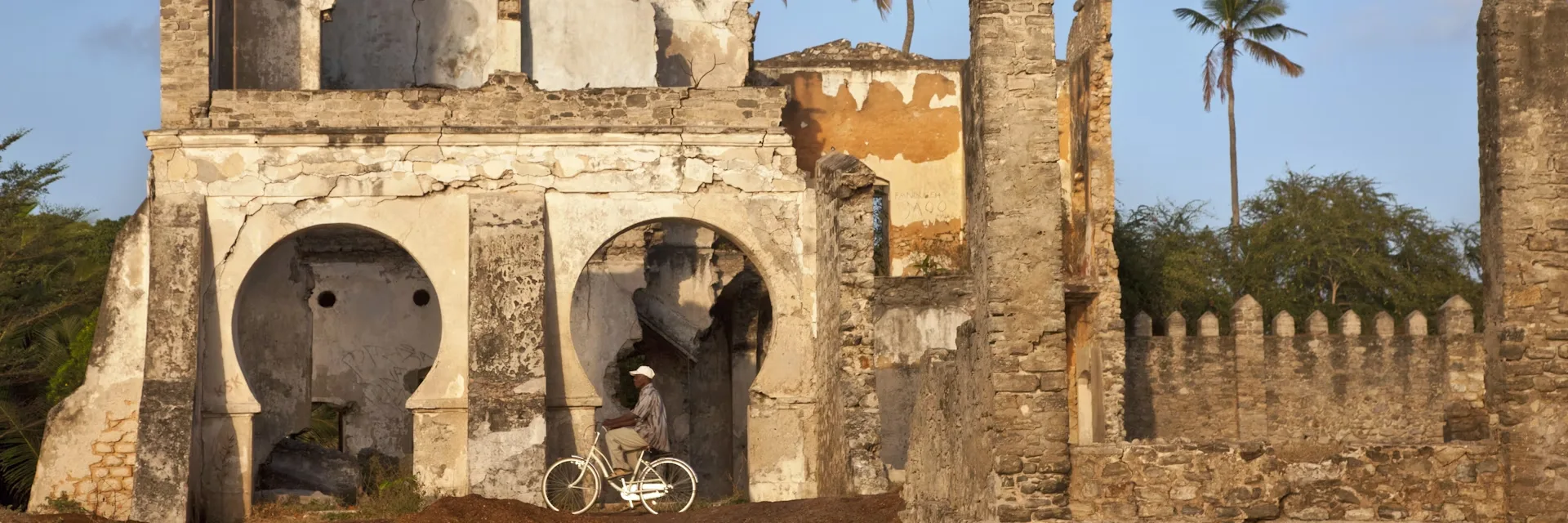
Stone Town has many historic mosques in its old quarter. Malindi Mosque near the port is one of the oldest; the present building dates from the 1830s, and its conical minaret is one of only three of its kind in East Africa. In the south of the island, the mosque at Kizimkazi dates from 1107 and is the oldest on Unguja.
Combining Zanzibar with a halal safari
Most of our guests come to Zanzibar after a safari on the mainland. Our halal travel guide to Tanzania explains how meals, prayer and Ramadan work on safari, and the halal safari itineraries can all be extended with beach days on the island. The 7-Day Tanzania Halal Safari is the simplest base to add Zanzibar to. If you want a route planned around your dates, send us a message.