Three days is the shortest Serengeti trip we think gives the park a fair chance. Two days works if you fly, but it leaves almost no slack. Five days lets you add Tarangire and the Ngorongoro Crater without rushing. Three sits in between, and how well it goes comes down to one choice you make before anything else: drive in or fly in.
This guide covers a realistic 3-day Serengeti safari from Arusha, both ways of getting there, where to base yourself by season, what drives the cost, and how it compares with shorter and longer trips.
Drive or fly: the decision that shapes the trip
The road from Arusha to the Serengeti is long. Most published estimates put it at 6 to 8 hours by road, roughly 325 to 335 km to the central Serengeti, through Karatu, across the Ngorongoro Conservation Area highlands, and in at Naabi Hill Gate. From Naabi it is still about an hour to Seronera, where many camps sit.
On a 3-day trip that means the drive eats most of day one and most of day three. You still see animals on the way, since the last stretch from Naabi is itself a game drive, but your real time in the park shrinks to about one and a half days.
Flying changes the maths. Light aircraft from Arusha or Kilimanjaro airport to Serengeti airstrips such as Seronera take roughly 1 to 1.5 hours. You land in the morning, your guide meets you at the strip with a vehicle, and you are on a game drive before lunch.
The trade-off is simple. Driving costs less and lets you add the Ngorongoro Crater on the way out. Flying costs more but gives you close to three full days with the animals.
3-day Serengeti safari itinerary, day by day
Below is the driving version with a crater finish, which is the one most people ask us about. The fly-in variation follows.
Day 1: Arusha to the central Serengeti
Leave Arusha soon after breakfast. The road climbs past Karatu to the Ngorongoro Conservation Area, rims the crater, then drops onto the plains toward Naabi Hill Gate. After the gate paperwork, the drive to Seronera is a game drive in itself: open grassland, kopjes, and the first gazelle and zebra herds. Arrive at camp in the late afternoon.
Day 2: Full day in the Serengeti
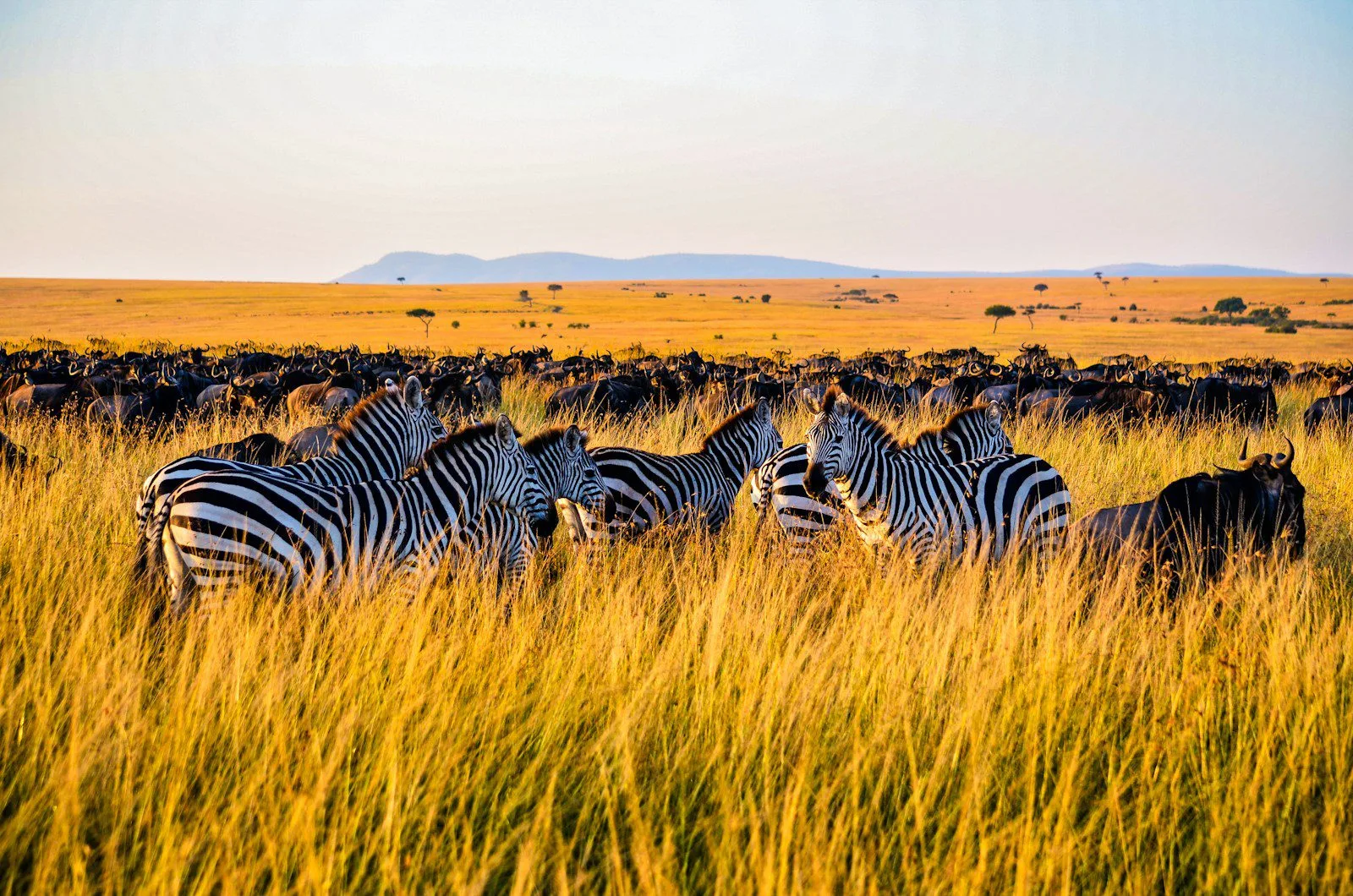
This is the day the trip is built around. Head out at first light, when cats are most active, and either return to camp at midday or take a packed lunch and stay out. The Seronera River valley holds resident lion prides and is one of the better areas for leopard in the trees. If the migration herds are within reach of your camp, your guide will route the day toward them.
Day 3: Morning drive, then out via Ngorongoro or by air
Do a short dawn drive, then start back toward Naabi. From here you have two choices:
- Straight back to Arusha. A long road day with no crater. Simple, and fees stay lower.
- Overnight near the crater and descend on a fourth morning. This turns the trip into four days, but it is the version we usually suggest if you want the crater, because squeezing a descent into day three on top of the Serengeti exit and the drive to Arusha makes for a very long day.
If you want both parks in strictly three days, some operators do it, but expect early starts and late arrivals. Ask for the hour-by-hour plan before you book.
The fly-in variation
Fly Arusha to Seronera on the morning of day one and go straight out on an afternoon drive. Day two is a full day in the park. On day three, do a morning drive and catch a midday flight back. This is the better version if the Serengeti is all you want and you would rather not spend two days in the car. It does not include the crater.
Where to stay on a 3-day trip, by season
The Serengeti is big, and on a short trip you cannot chase the herds across it. Pick your base for the month you travel. The migration follows rain, so treat these months as a guide, not a promise:
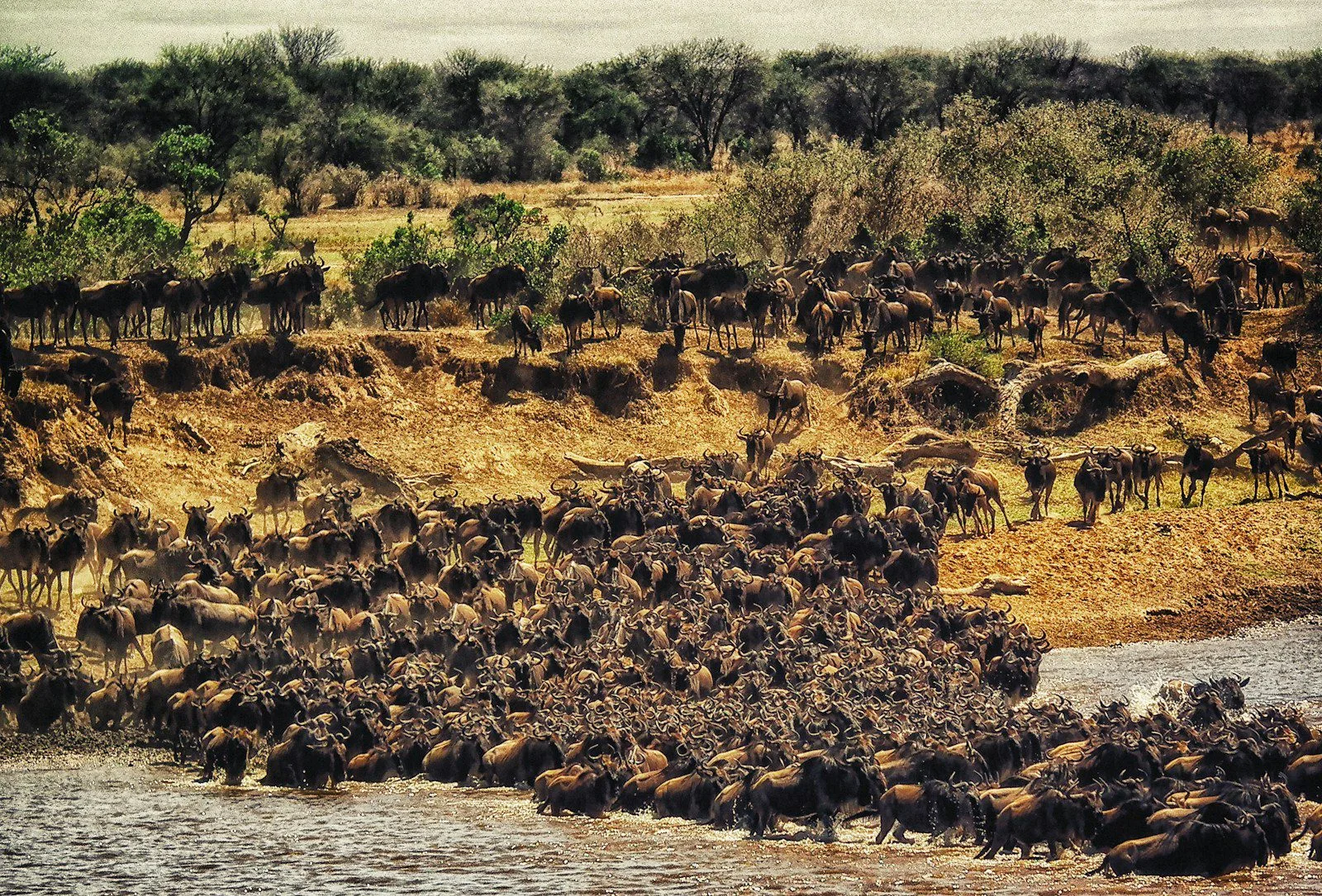
- Late January to March: the herds are on the short-grass plains of the southern Serengeti and Ndutu, with calving starting late in January. A camp in the south or around Ndutu makes sense. Ndutu is also closer to the Ngorongoro side, which helps a 3-day road trip.
- April to May: the herds move north into the central and western Serengeti, around Moru Kopjes and western Seronera. A Seronera base works well.
- June to July: the herds gather in the Western Corridor near the Grumeti River. That is further from Arusha by road, so flying in makes more sense.
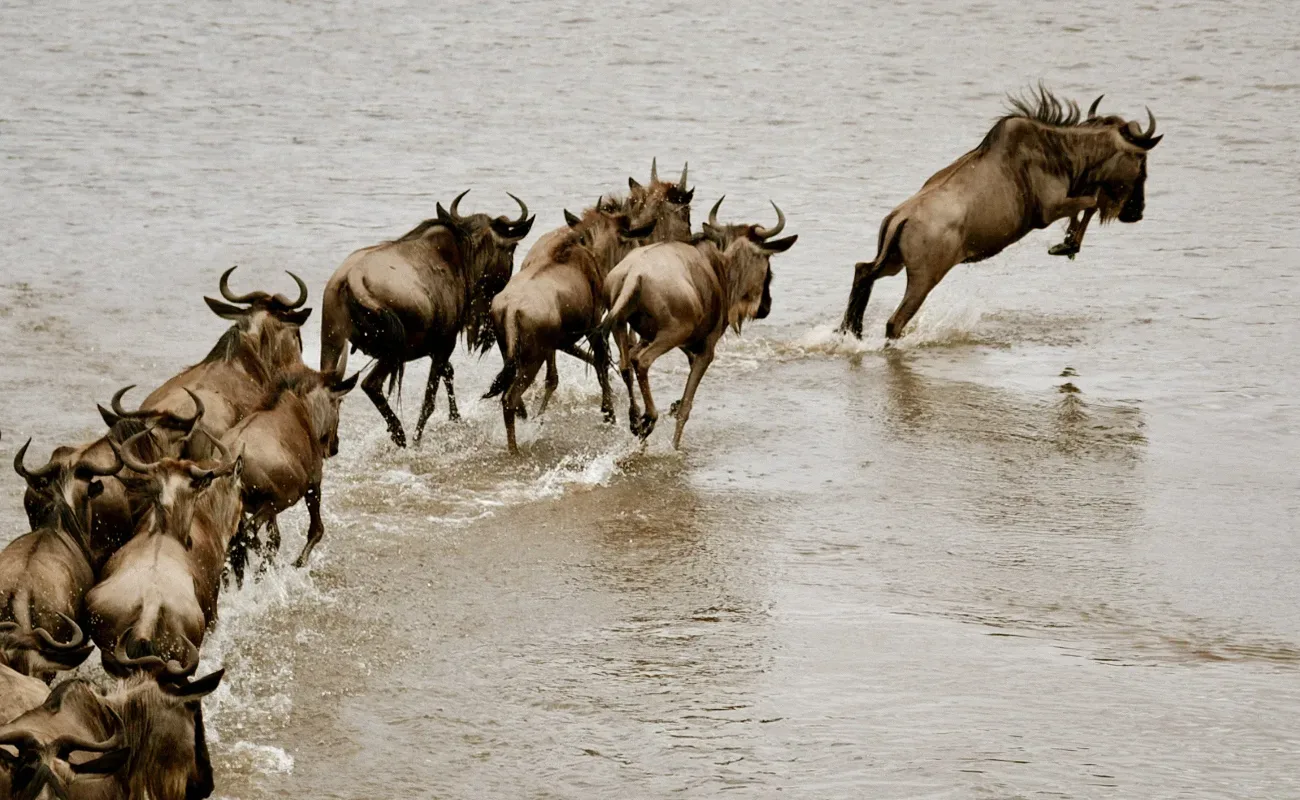
- August to October: river crossings at the Mara in the far north. This is a long way to drive for a 3-day trip. If the crossings are the point, fly, or give it more days.
- November to December: the herds head south again through the Lobo area and toward the southern plains.
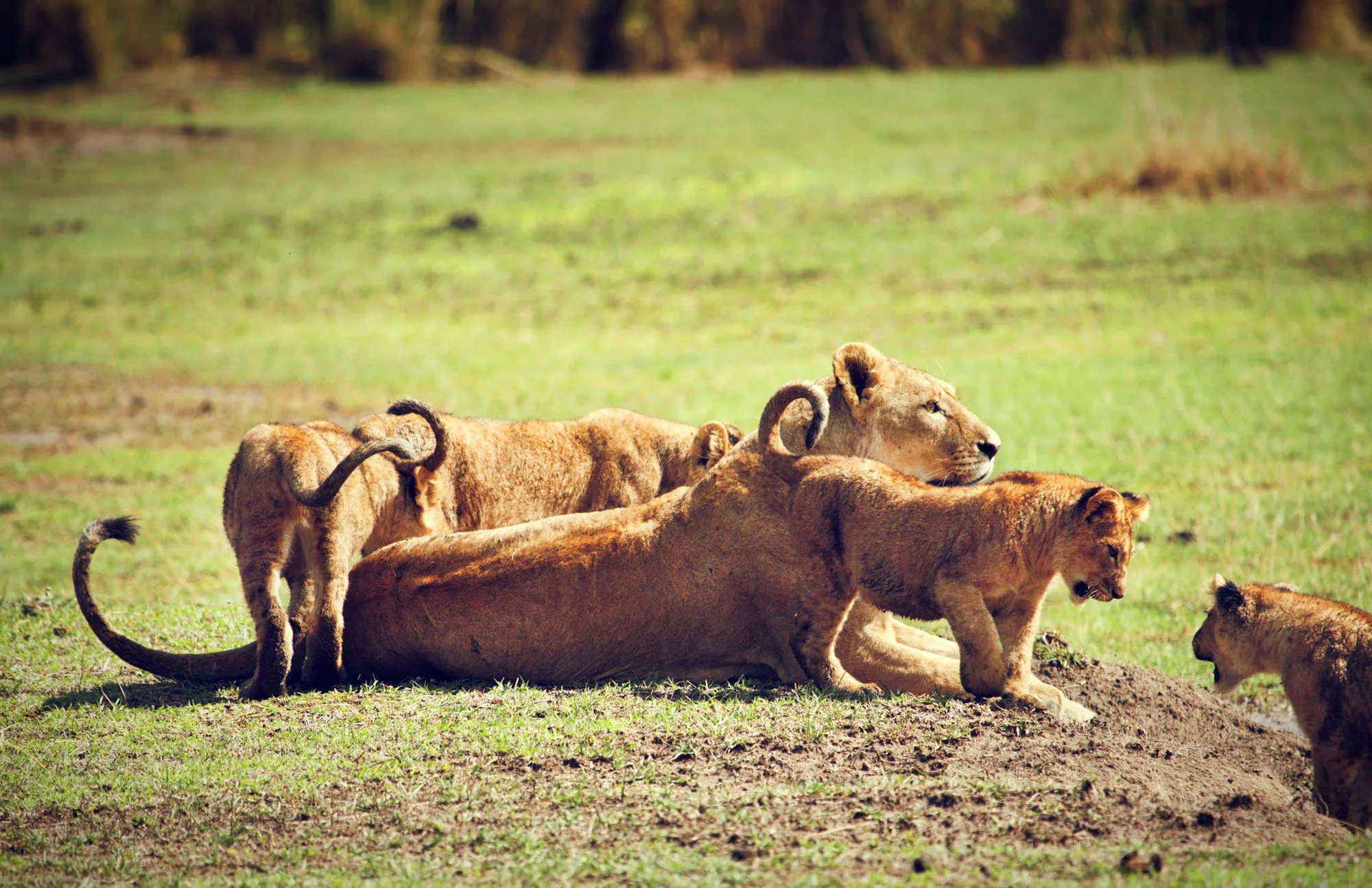
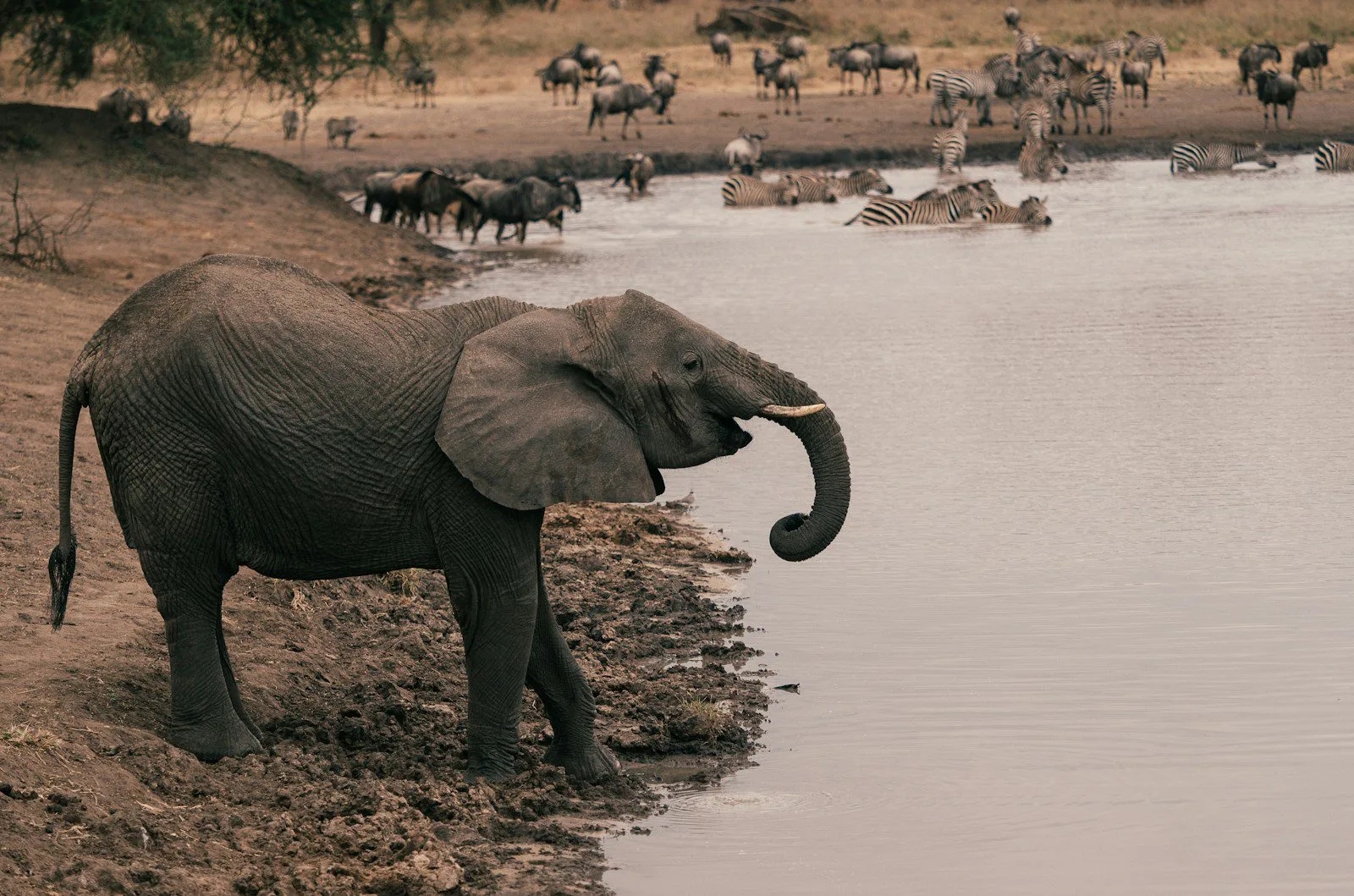
Outside the migration, central Serengeti around Seronera still has resident lions, cheetah, elephant, and plains game all year, which is why it is the default base for short trips. For more on the herd movements, read our guide to the Great Wildebeest Migration.
What drives the cost
We are not going to quote a single price, because a 3-day Serengeti safari can be priced several ways. What we can do is show you the components, so you can read any quote properly.
- Park fees are charged per 24 hours, per person. Third-party fee guides from 2026 put the Serengeti non-resident adult fee at about $83 per 24 hours. Figures differ slightly between sources depending on how VAT is shown, so confirm current rates with TANAPA before you budget.
- Sleeping inside the park adds a concession fee per person per night, which 2026 guides put at around $70 in peak season. Camps just outside the boundary avoid it but add driving time.
- The road route crosses the Ngorongoro Conservation Area, so its fees apply even if you never go down into the crater. Descending into the crater adds the NCAA's crater service fee of $295 per vehicle per descent. Current entry fees for every park are in our national parks guide.
- Flying in adds the cost of two light-aircraft seats but removes two days of vehicle and fuel, and often one night of accommodation along the route.
- Accommodation is the biggest swing factor. A tented camp and a high-end lodge in the same area can differ by several times per night.
All fee figures here are 2026 numbers from published guides. Fees change, so treat them as a starting point and confirm before booking.
Who a 3-day Serengeti safari suits
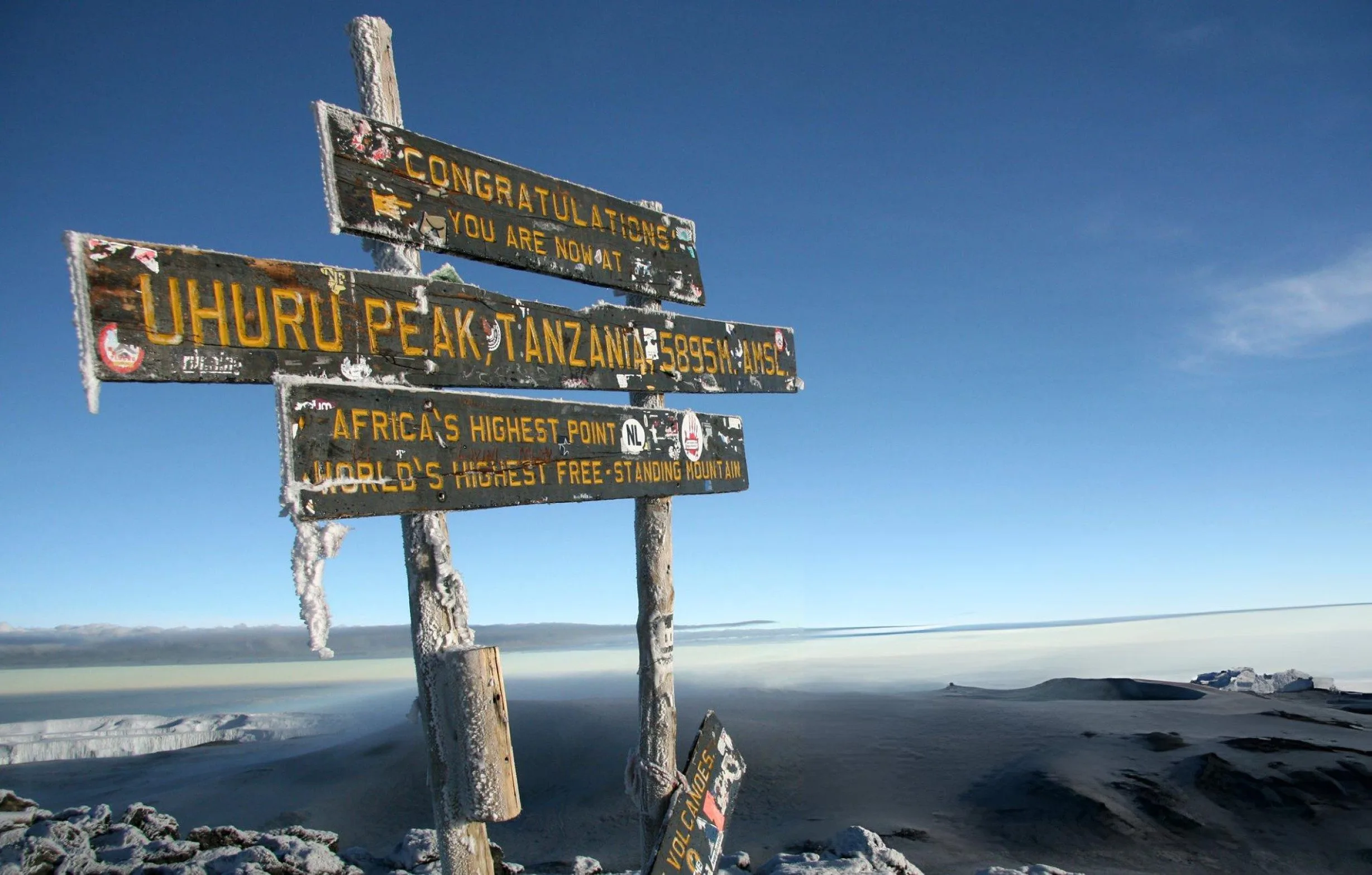
- Travelers adding a safari to a Kilimanjaro climb or a business trip in Arusha.
- People who want the Serengeti specifically, not a tour of every park.
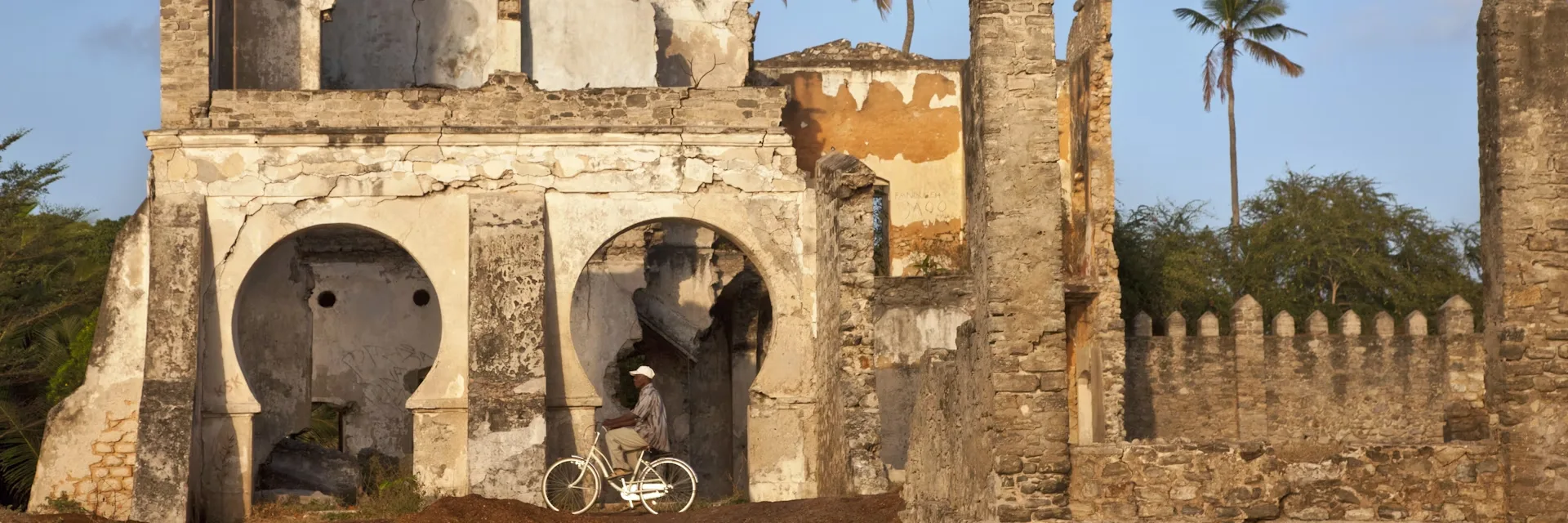
- Anyone pairing a short safari with a beach stay. See our guide to a Zanzibar beach holiday after safari.
It suits families with young children less well if you drive, simply because of the hours in the vehicle. In that case, fly or add days.
2 days vs 3 days vs 5 days
| Length | Realistic route | Time with wildlife | Best for |
|---|---|---|---|
| 2 days | Fly in and out of the Serengeti | About 1.5 days | Tight schedules, add-on to a beach trip |
| 3 days | Drive in and out, or fly in and out | 1.5 days driving, close to 3 days flying | A focused Serengeti visit |
| 5 days | Tarangire, Serengeti, Ngorongoro by road | Most of every day, with shorter transfers | First-time visitors who want variety |
If you are deciding between two and three days, our post on whether a 2-day Serengeti safari is worth it covers the shorter option. If you can stretch to a week, look at our 7-day Great Migration Safari (from $3,800 per person) or the 8-Day Fly Safari (from $4,400 per person), which flies you into the Serengeti after Tarangire and Lake Manyara.
Frequently asked questions
Is 3 days enough for the Serengeti?
It is enough to see the central Serengeti well, especially if you fly in. It is not enough to also do Tarangire and the crater without very long days. If the migration is your goal, match your base to the month.
Can I do the Serengeti and Ngorongoro Crater in 3 days?
Some operators run it, but it means a long final day: an early exit from the Serengeti, a crater descent, and the drive to Arusha. We usually suggest adding a fourth day or a night near the crater.
How long is the drive from Arusha to the Serengeti?
Plan on 6 to 8 hours to the central Serengeti, including the stretch across the Ngorongoro highlands. Stops for wildlife on the way make it longer.
How long is the flight from Arusha to the Serengeti?
Roughly 1 to 1.5 hours to airstrips such as Seronera, depending on the route and any stops the aircraft makes.
Can you customise a 3-day trip?
Yes. A 3-day Serengeti trip is something we build to order rather than sell off the shelf. Tell us your dates and whether you want to drive or fly through our tailor-made safari planner, or contact us directly.