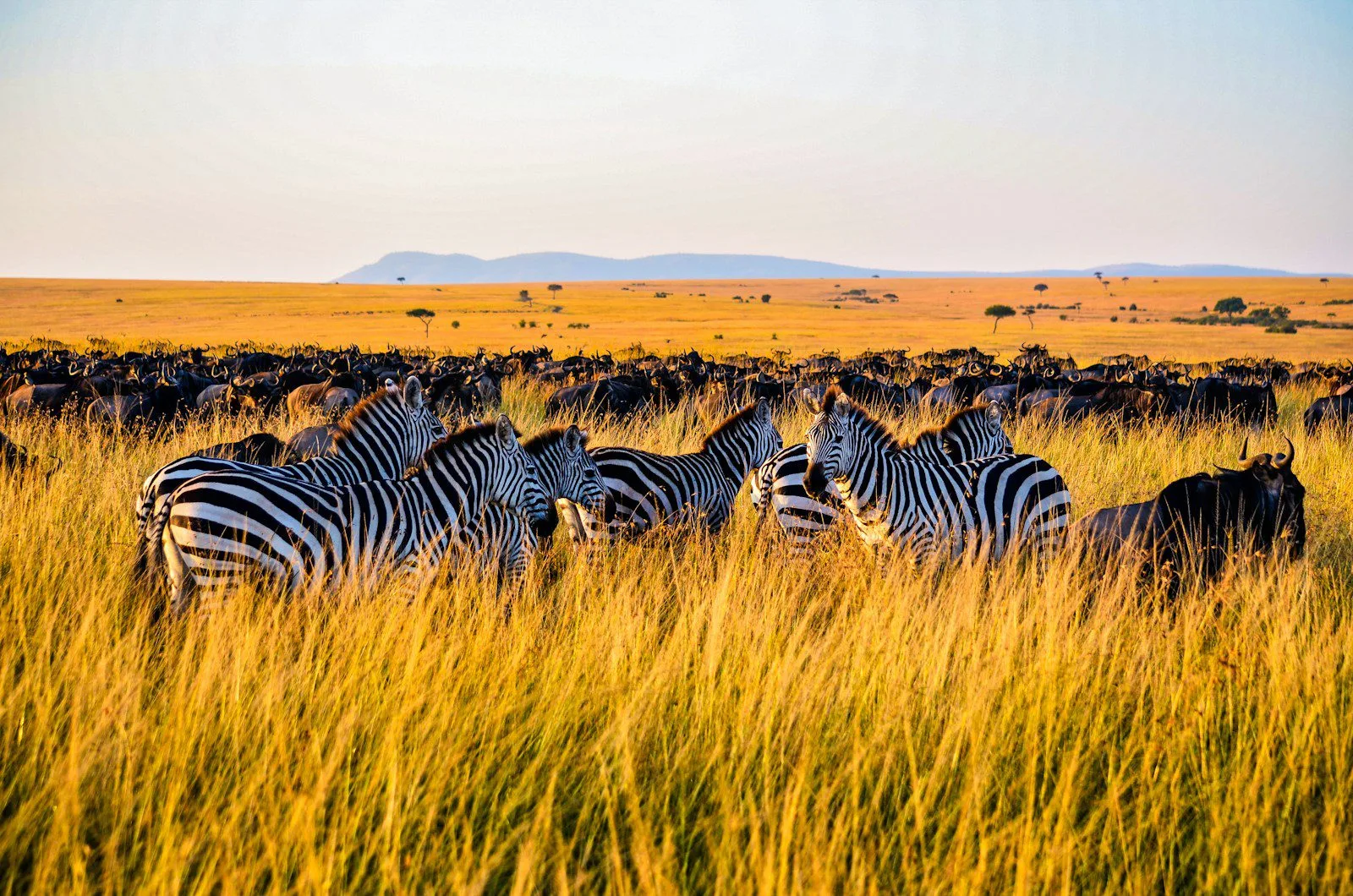
Short answer: yes, for most travellers. Tanzania's safari parks, Kilimanjaro and Zanzibar's beach resorts welcome hundreds of thousands of visitors a year, and the problems people run into are mostly petty crime, road accidents and the occasional protest, not danger on safari. On 16 October 2026 the United States lowered its advice for Tanzania from Level 3 ("Reconsider travel") to Level 2 ("Exercise increased caution"). The UK advises against travel only to the area within 20 km of the border with Mozambique's Cabo Delgado province, far from every safari circuit.
Last checked against UK and US government advice on 22 October 2026. Advice changes, so check both again in the week you fly.
What the UK and US governments say
| Government | Current advice | Areas to avoid |
|---|---|---|
| United States (State Department) | Level 2: Exercise increased caution, since 16 October 2026 (it had been Level 3 since the 2025 election) | Level 3 still applies to the Mtwara region on the Mozambique border, including the A19 highway |
| United Kingdom (FCDO) | No advice against travel to the rest of the country | All but essential travel within 20 km of the border with Cabo Delgado, Mozambique |
Both border areas are in the far south-east. The Serengeti, Ngorongoro, Tarangire, Kilimanjaro, Arusha and Zanzibar are hundreds of kilometres away. You can read the advice yourself on GOV.UK and travel.state.gov.
Is it safe to go on safari in Tanzania?
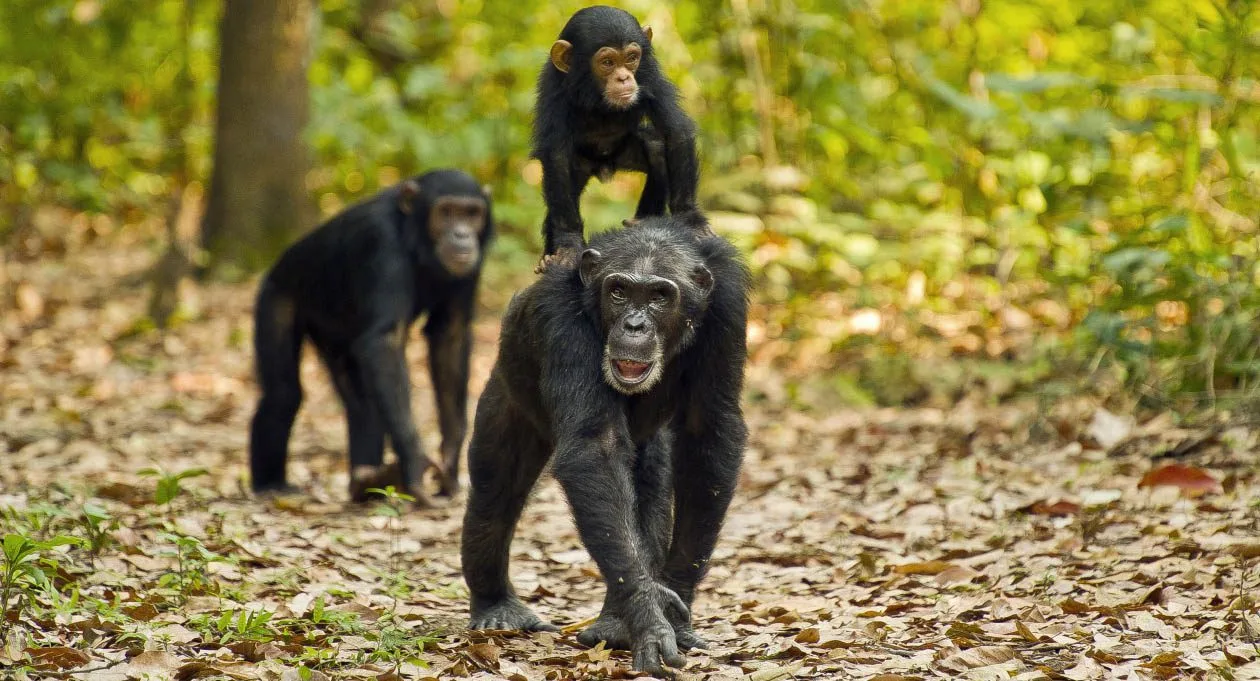
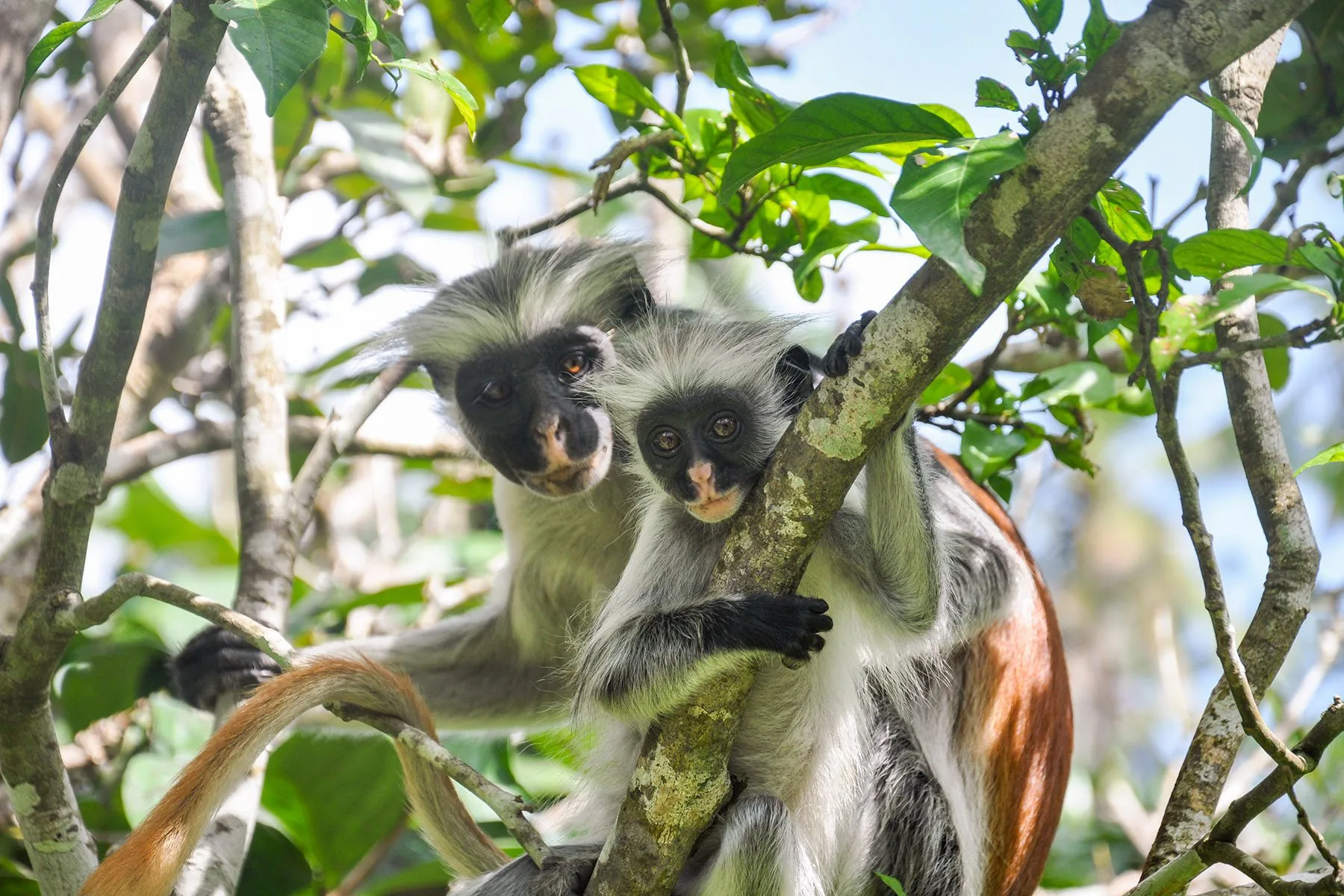
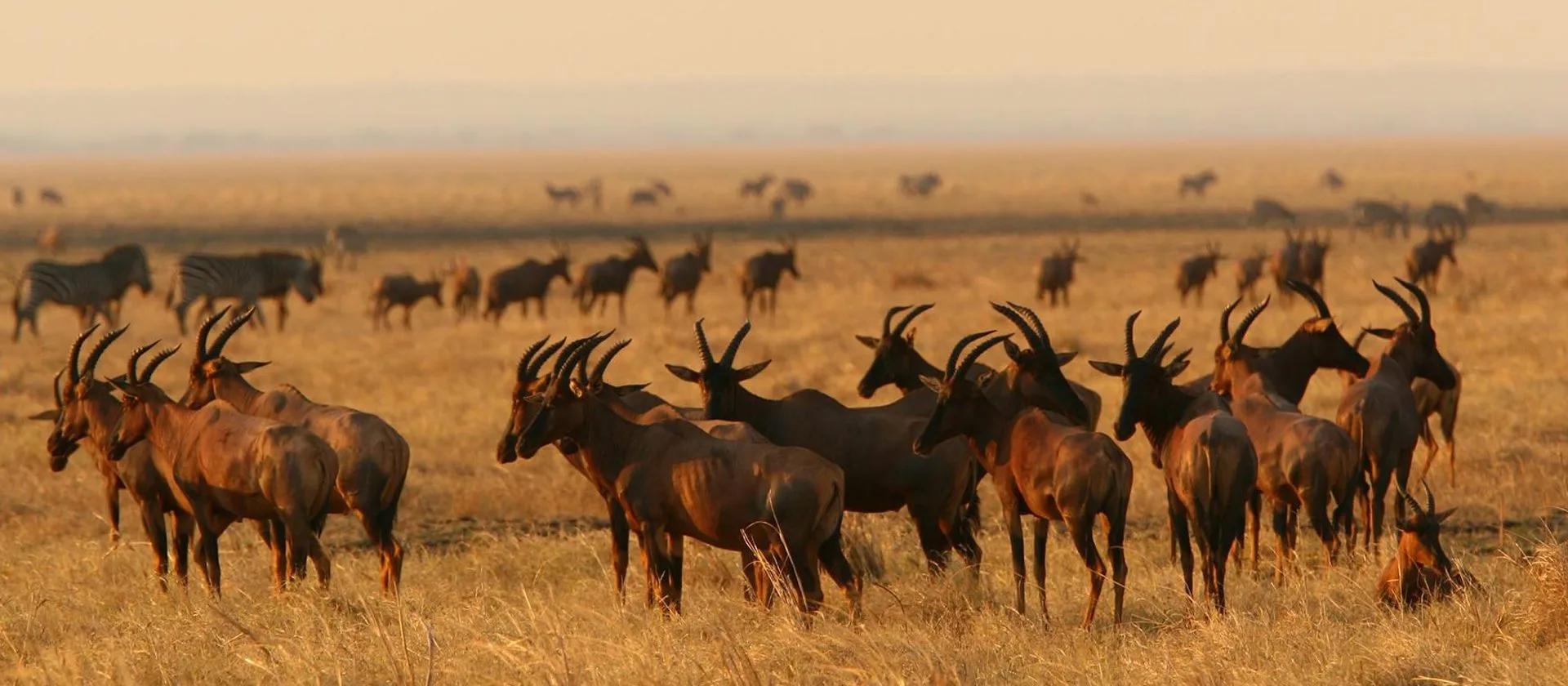
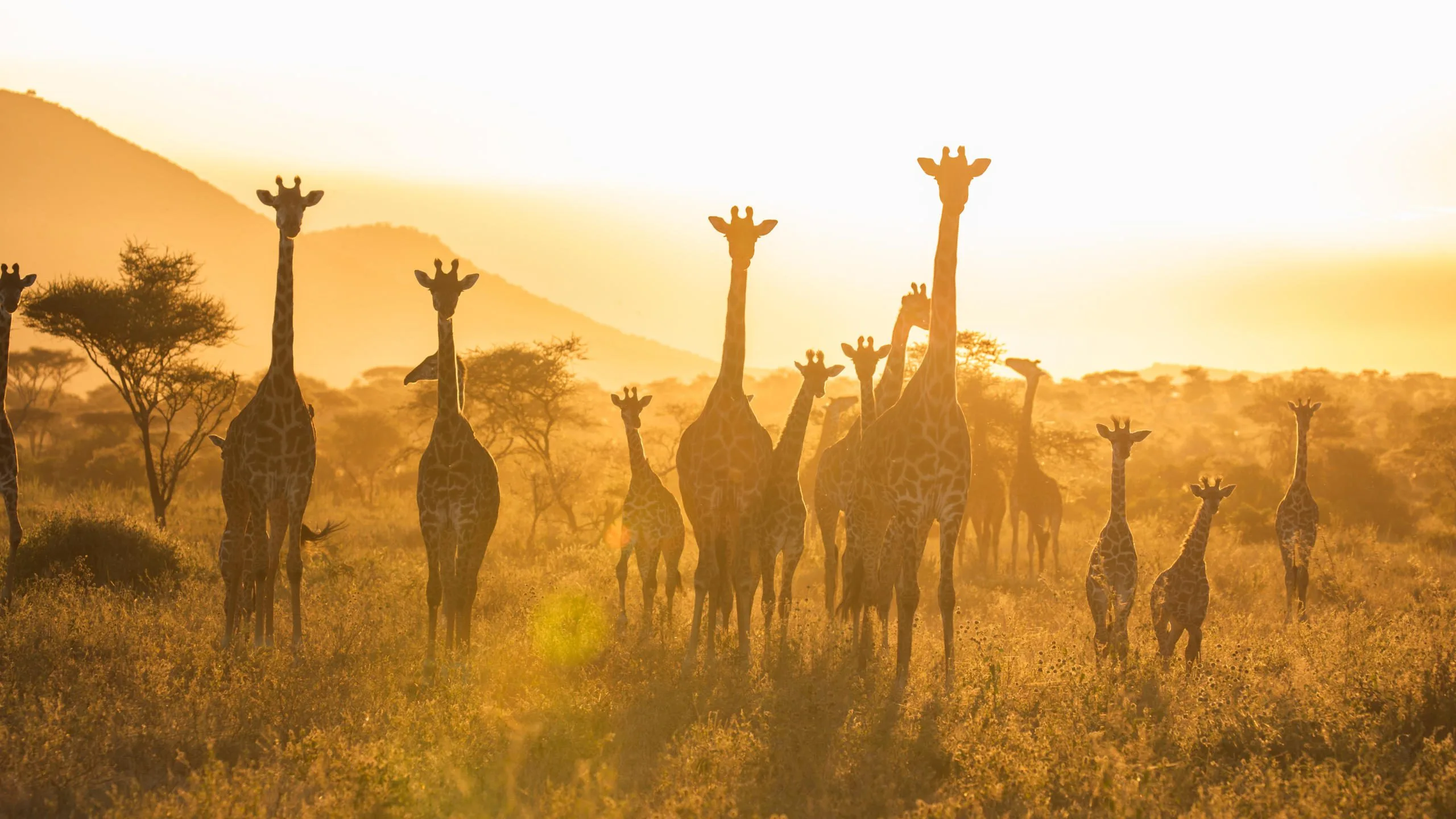
A guided safari is one of the safest ways to see the country. You travel in a closed or pop-top 4x4 with a licensed driver-guide, sleep in lodges or camps with staff on site, and spend most of the day inside national parks. The rules that keep you safe are simple: stay in the vehicle unless your guide says otherwise, don't feed or approach animals, and at tented camps let staff walk you to your tent after dark.
The UK government's main safari advice is to book with a reputable, licensed operator rather than a street tout. The Tanzania Association of Tour Operators (TATO) publishes a list of licensed members you can check any company against.
Crime: where to take care
Most crime against visitors is opportunistic, and most of it happens in cities and on beaches rather than in the parks. The UK government lists these risks:
- Bag snatching, including by thieves on motorbikes, in Dar es Salaam and other towns.
- Robberies in parts of Dar es Salaam: the city centre, the Masaki and Oysterbay peninsula including Coco Beach, and Toure Drive.
- "Express kidnapping" in Dar es Salaam, where victims in unlicensed taxis are robbed and forced to withdraw cash.
- Incidents in Zanzibar in Stone Town, at hotels and on popular beaches.
The everyday precautions are the ones you'd take in any big city. Use a taxi your hotel or operator books, keep your phone out of sight on the street, don't walk on empty beaches or in town after dark, and carry only the cash you need that day. On a booked safari your transfers are arranged for you, which removes most of this risk.
Protests and the political situation
Protests after the general election on 29 October 2025, and the security response to them, led to deaths and injuries in many parts of mainland Tanzania. The UK government warns that more demonstrations are possible, with calls on social media around public holidays and the election anniversary on 29 October.
- Stay away from demonstrations and large crowds, and leave the area if one starts nearby.
- Don't photograph or film protests or security forces. It is illegal, and phones may be checked.
- Internet access has been limited during past protests, so keep your operator's and hotel's phone numbers written down.
- Cash and fuel shortages followed the 2025 election. Carry some US dollars in notes as a backup.
Roads and getting around
Road accidents are a bigger risk than wildlife or crime. Both governments describe serious crashes as common, and the UK advises against driving outside towns at night. If you're on a safari, your driver-guide handles this: experienced guides drive in daylight, know the park tracks and travel in vehicles built for them. If you hire a car yourself, avoid night driving and expect park tracks to become impassable after heavy rain.
Health: what to sort out before you fly
- Health declaration and screening: since 19 October 2026 every traveller entering Tanzania must fill in the online Traveller's Health Surveillance Form at afyamsafiri.moh.go.tz. This is a precaution against the Ebola outbreak in the DRC and Uganda; Tanzania's UK tourism office says there are no cases in Tanzania or Zanzibar. Your temperature is checked on arrival.
- Mandatory insurance: since 1 October 2026 most visitors must also buy Tanzania's US$44 inbound insurance. See our insurance guide.
- Medical care is limited outside Dar es Salaam and Arusha, so make sure your own policy covers medical evacuation.
- Malaria is present in most of the country, including Zanzibar. Ask a travel clinic about prevention, and see our health and vaccinations guide.
Is Zanzibar safe?
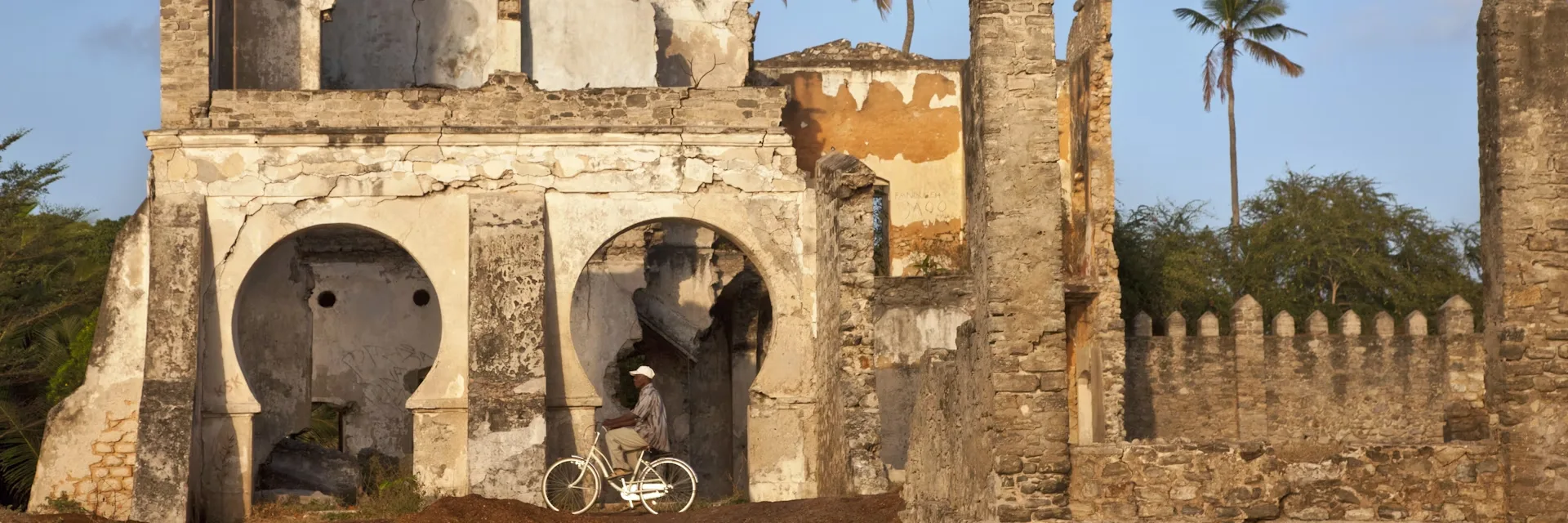
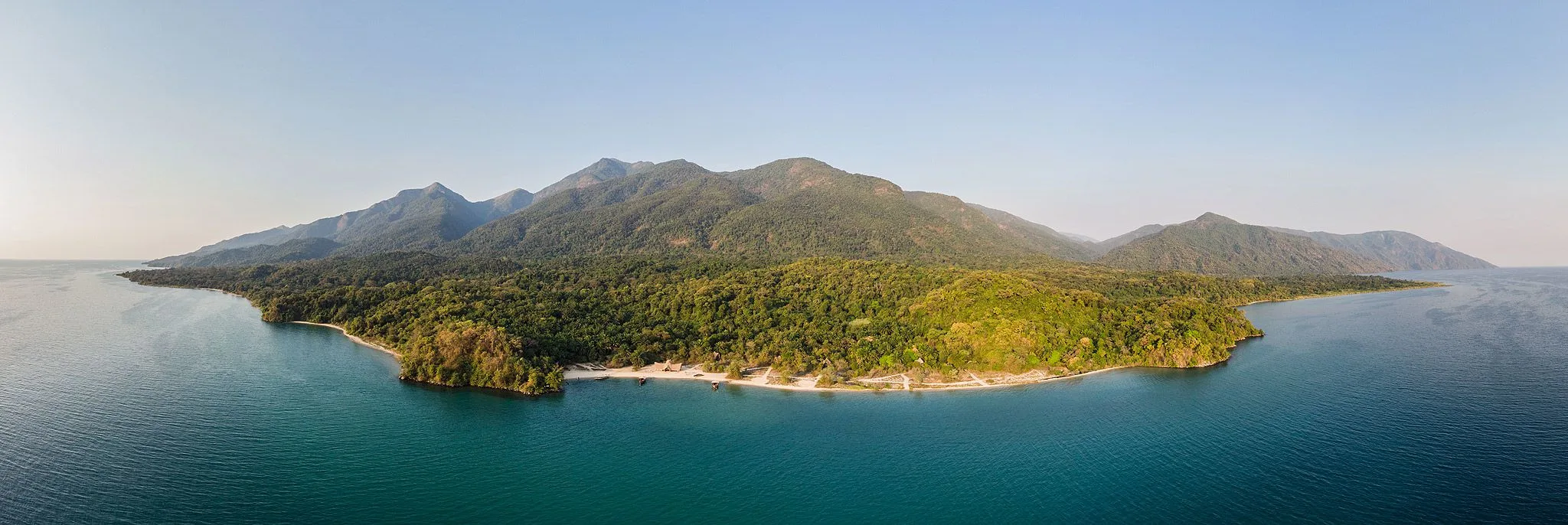
Zanzibar is generally relaxed and friendly, and most visits pass without trouble. Petty theft does happen in Stone Town and on busy beaches, so keep valuables in your hotel safe. Zanzibar is a mostly Muslim island: cover your shoulders and knees in Stone Town and villages, and keep swimwear for the beach and your hotel. Only take licensed ferries between Dar es Salaam and Zanzibar, and don't board one that looks overloaded.
Is Kilimanjaro safe?
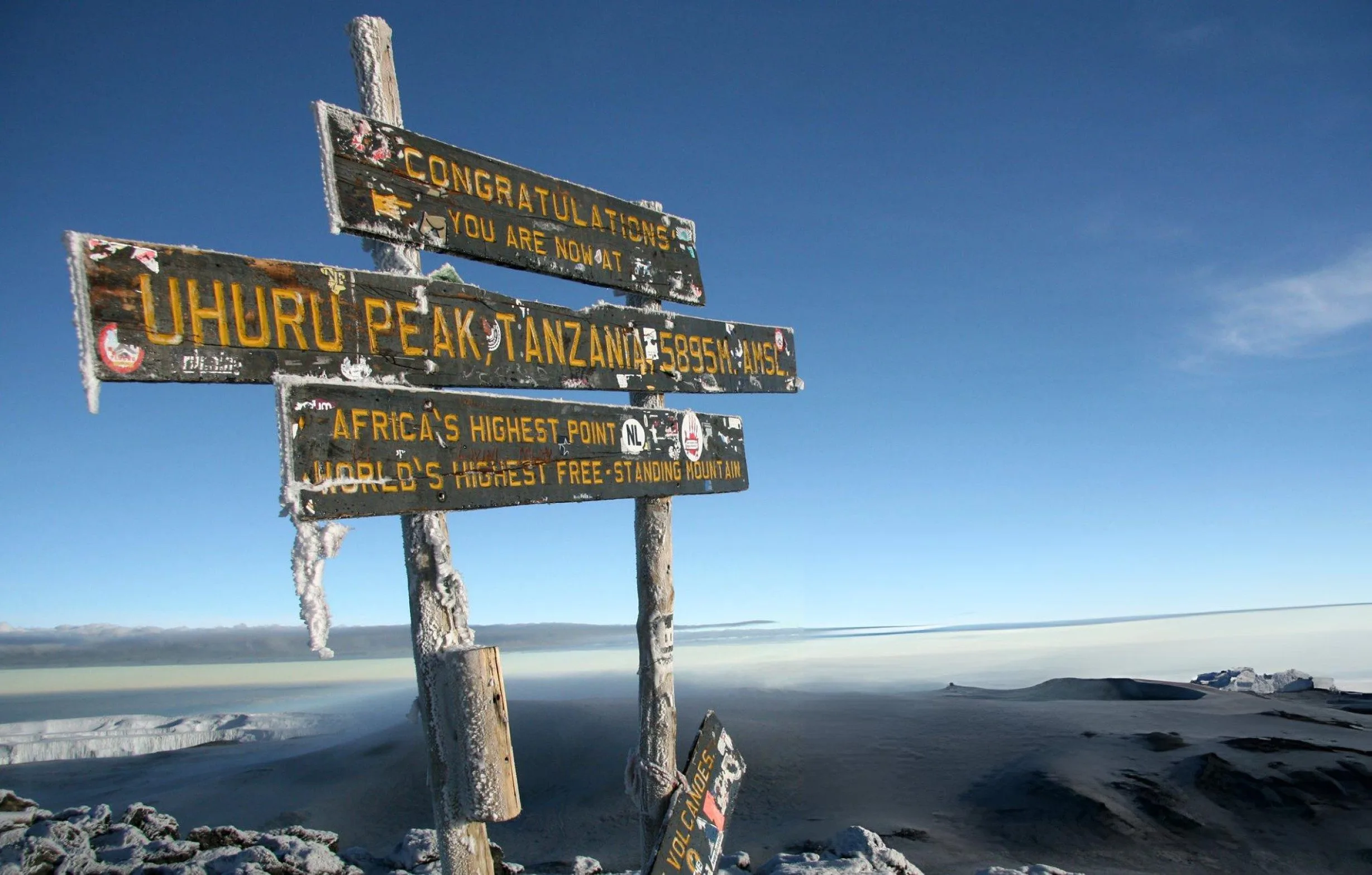
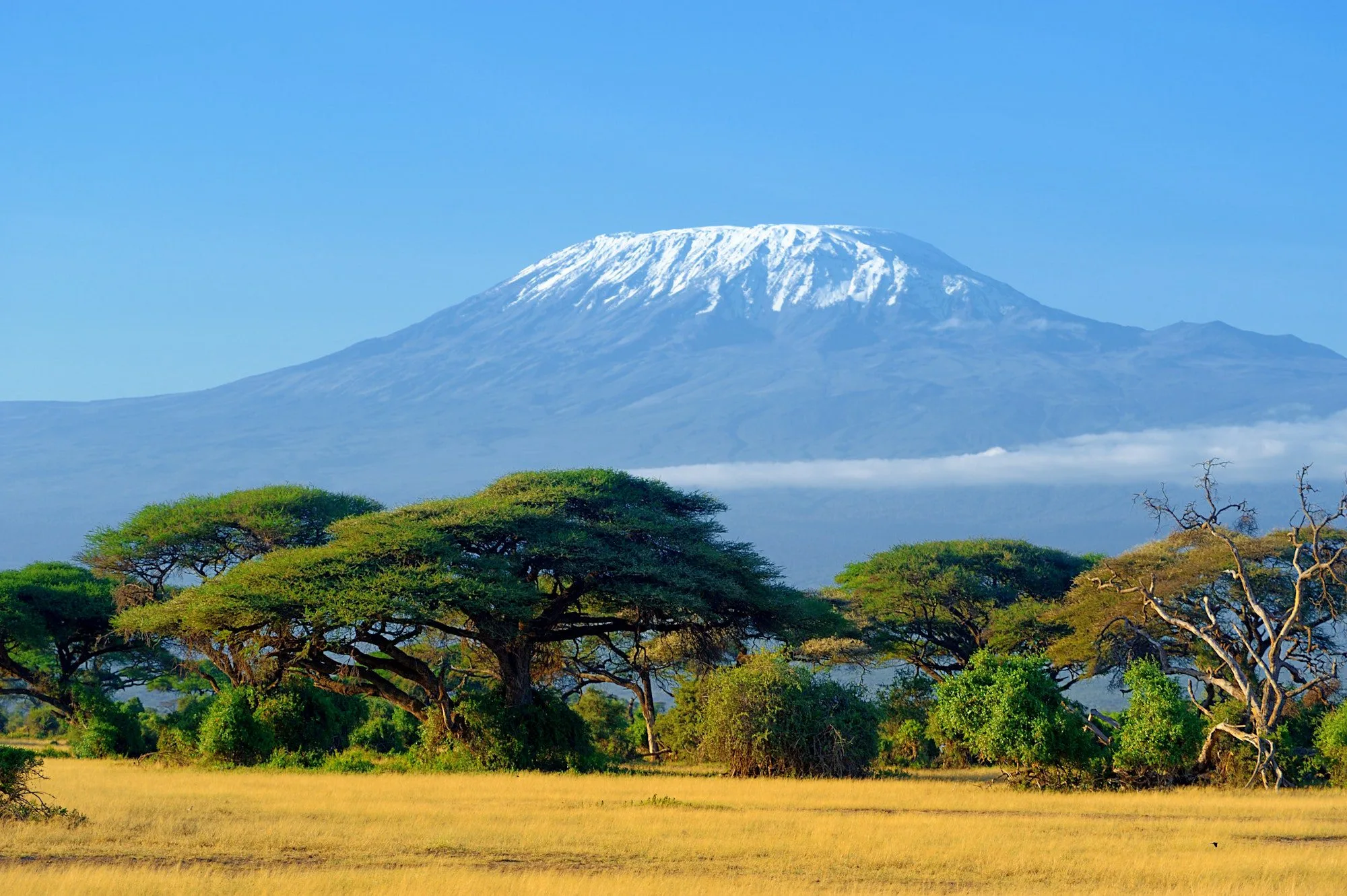
Kilimanjaro is not a technical climb, and crime on the mountain is not the issue. The real risks are altitude sickness and cold. Choose a route with time to acclimatise and a crew that checks your oxygen levels every day. Our Kilimanjaro altitude sickness guide explains the warning signs.
Advice for women and LGBT+ travellers
Women travelling alone or in small groups may get unwanted comments, and sexual assaults on foreigners have been reported, including at beach resorts. Booking transfers through your hotel or operator and avoiding isolated beaches after dark help. Same-sex sexual activity is illegal in Tanzania, including Zanzibar, and public displays of affection can lead to arrest, so LGBT+ travellers should be discreet in public.
Frequently asked questions
Is Tanzania safe to visit right now?
Yes, for the safari parks, Kilimanjaro and Zanzibar. In October 2026 the US lowered its advisory to Level 2, and the UK only advises against a strip of the Mozambique border. Avoid protests, especially around 29 October, and take normal city precautions.
Is Tanzania safer than Kenya for a safari?
Both countries are visited safely by large numbers of safari travellers every year, and on a guided safari the risks are much the same. Check the current UK and US advice for whichever country you choose.
Is Tanzania safe for families?
Yes. Many lodges welcome children, and a private vehicle lets you go at your family's pace. Read our family safari planning guide.
Is it safe to travel alone in Tanzania?
Solo travellers on a booked safari are rarely alone: you have a guide, transfers and lodge staff. In cities, take booked taxis and avoid walking after dark. See our solo safari guide.